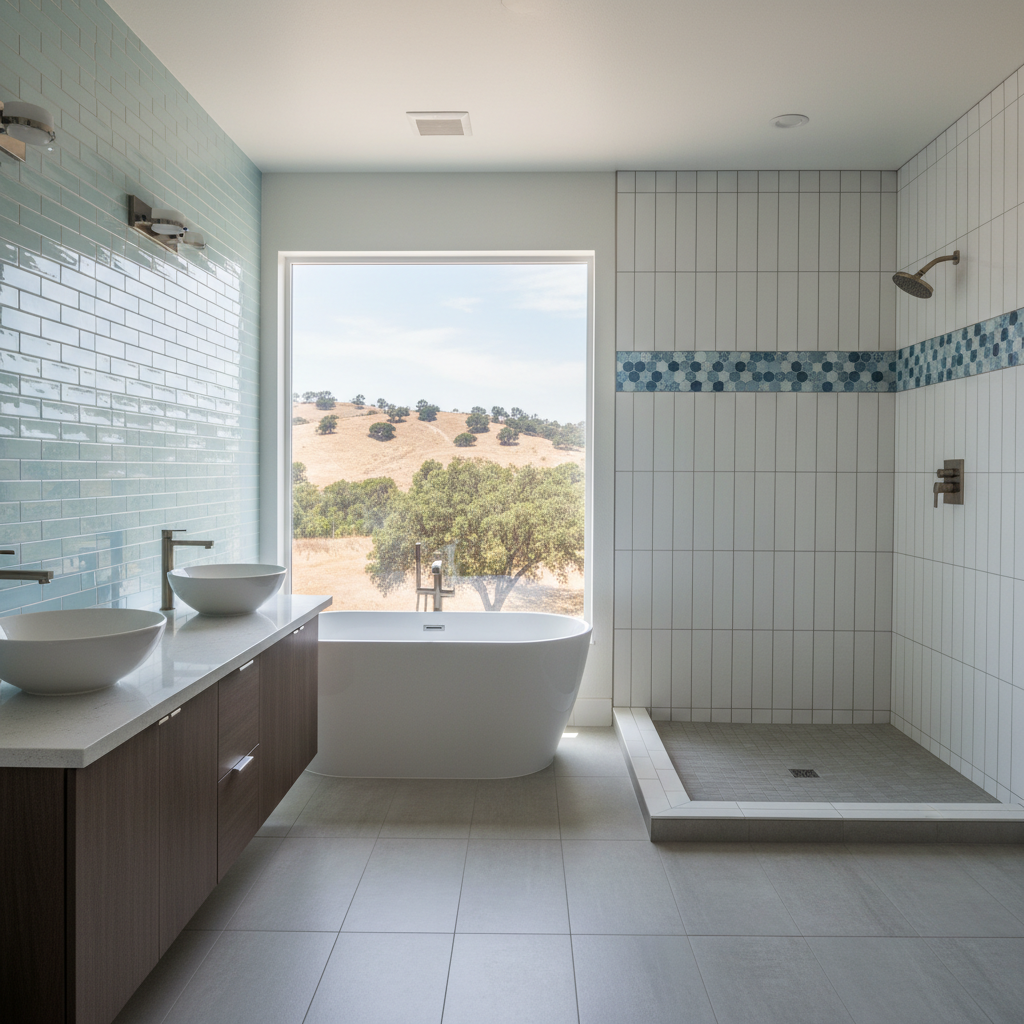
Alright, let's talk about getting new tile or flooring in your Stevenson Ranch bathroom. You might think it's just a matter of picking out what you like and scheduling a crew, but around here, our unique weather means there's a bit more to it. Getting the timing right and knowing how to protect your investment can make all the difference between a floor that lasts and one that gives you headaches down the road. Nobody wants that, do they?
When's the Best Time to Install Tile and Flooring?
You'd think with our generally sunny weather, any time is a good time, right? Not exactly. While Stevenson Ranch certainly enjoys a Mediterranean climate with mostly clear skies, especially in summer, we do have distinct seasons that impact how materials behave.
For tile and most flooring installations, you're really looking for that sweet spot where temperatures aren't too extreme and humidity stays pretty stable. That usually means spring and fall are your best bets.
- Spring (March to May): This is often ideal. We get moderate temperatures, and humidity levels are generally lower and more stable. This allows tile adhesives and grout to cure properly without drying too fast or too slow.
- Fall (September to November): Similar to spring, fall brings cooler temperatures and lower humidity. It's another great window for installation, helping prevent issues with expansion and contraction.
Now, that's not to say you absolutely can't do it in summer or winter, but you've just got to be more careful.
How Weather Conditions Affect the Work
Our local climate, with its hot, arid summers and cooler, wetter winters, truly affects how tile and flooring go down and how they hold up.
Temperature Troubles
Extreme temperatures, both hot and cold, can mess with adhesives and grout. Most tile adhesives work best when it's between 50°F and 95°F, or even better, 68°F to 86°F.
- Hot Summers: Our summers can hit highs of 94°F in August, and it's dry. High heat can make tile adhesive dry too quickly, shortening its working time and potentially leading to a weaker bond or even cracking. It can also cause materials like luxury vinyl plank (LVP) to expand, and if installed that way, they might contract later, leaving gaps. When we work in the summer, we often adjust schedules to do installations during cooler parts of the day, like early mornings or late afternoons, and make sure materials are stored correctly.
- Cooler Winters: While our winters are mild, with December lows around 45°F, cold can slow down the curing process for adhesives and grout. This can lead to weaker bonds if things don't set right.
Humidity Headaches
Even though Stevenson Ranch isn't known for muggy conditions, humidity still plays a role.
- Low Humidity: Our dry air, especially in summer, can cause grout and adhesives to dry too fast. This can lead to cracking, shrinking, or weakened bonds.
- High Humidity (less common here, but it can happen): If there's too much moisture in the air, it can prolong drying times for grout and adhesives. This might lead to efflorescence (those white powdery deposits) or even mold if moisture gets trapped.
The key is keeping the indoor environment stable. We always recommend keeping your home's temperature between 65°F and 72°F year-round for optimal flooring performance. Also, make sure your air conditioning or heating is running during installation. We also make sure materials acclimate to your home's conditions for at least 48 hours before we even start the installation.
Protecting Your Investment Year-Round
Once your beautiful new bathroom floor is in, you want it to last, right? Here's how to protect it, especially with our local climate in mind:
- Seal Your Grout: This is a big one, especially in a dry climate like ours. Grout is porous and can become dusty, flaky, or discolored if left unsealed. Sealing creates a barrier against moisture and stains. I always recommend using a penetrating sealer, which soaks into the grout, creating a water-resistant barrier while still letting the grout breathe. For new installations, we typically seal cement-based grout 48-72 hours after it's installed. You'll want to reapply it every 1-2 years, depending on traffic and how much use that bathroom gets.
- Mind the Moisture: Even though we're dry, bathrooms are inherently wet spaces. Always wipe up standing water near showers and tubs. Good ventilation is crucial. Run that exhaust fan during and after showers to remove excess moisture from the air.
- Regular Cleaning: Sweep or vacuum regularly to remove dirt and dust. For tile, use pH-neutral cleaners; harsh acids can damage grout and some stone finishes.
- Watch for Cracks: Small cracks in grout or caulk can let water get underneath your tile, leading to bigger problems like mold or subfloor damage. Address any separation promptly by re-caulking.
- Maintain Stable Indoor Climate: Keep your home's temperature and humidity as consistent as possible. Wild swings can cause flooring materials to expand and contract, leading to gaps or warping, even after installation.
At All Things Bathroom & Kitchen, we've seen firsthand how paying attention to these details makes a real difference for our Stevenson Ranch neighbors. It's not just about putting down a pretty floor; it's about making sure it stands the test of time in our specific environment. If you're planning a remodel, let's talk about how to get it done right, from start to finish.