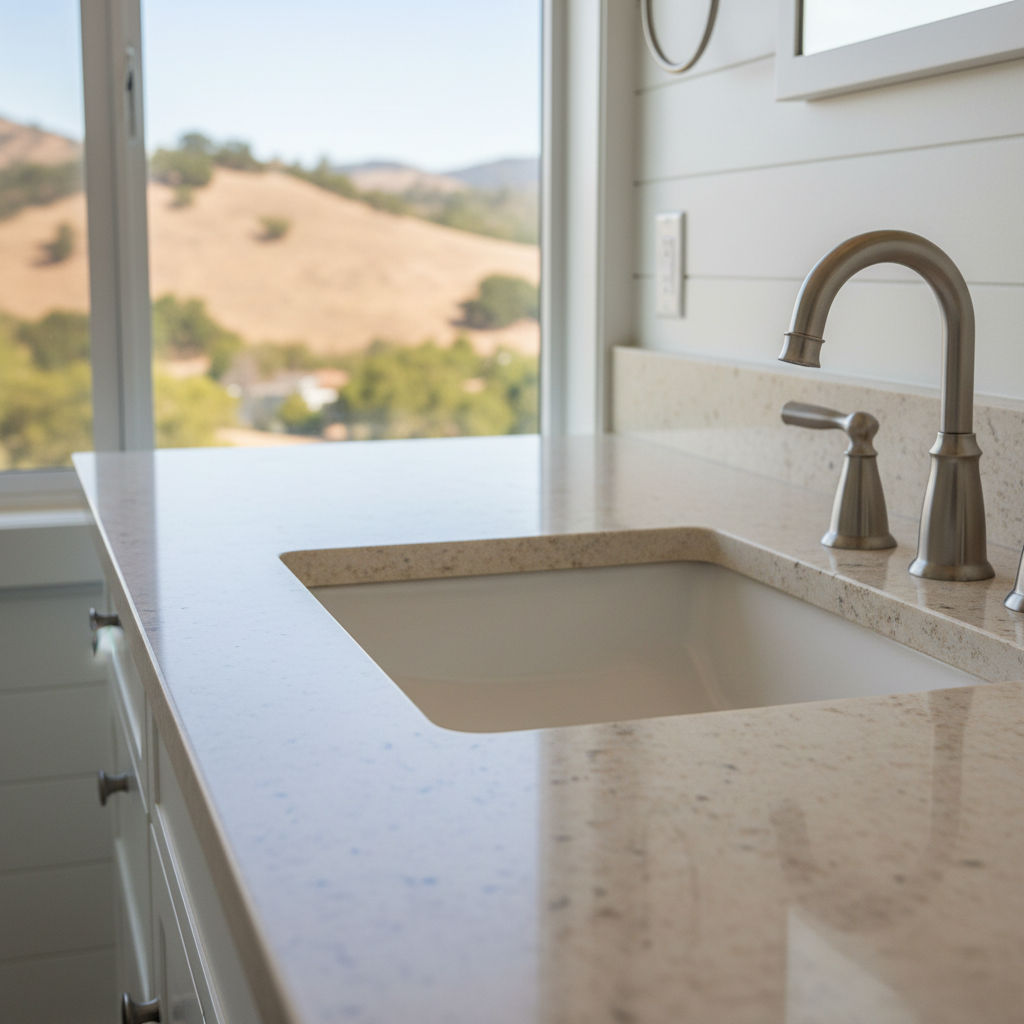
So, you're looking to upgrade your bathroom with a new vanity and sink. It's a common project, and a lot of folks wonder if they can handle it themselves or if they really need to call in a professional. As someone who's been doing this for years with All Things Bathroom & Kitchen, I've seen it all, and I can tell you there's a time and a place for both.
Before You Start: Planning is Key
Before you even think about unscrewing a pipe, you've got to plan. This isn't just about picking out a pretty vanity. You need to measure your space accurately – not just width, but depth and height too. Don't forget to account for door swings, toilet clearance, and any existing outlets or light switches. A common mistake I see is people buying a beautiful vanity only to realize it blocks a crucial access point or makes the bathroom feel cramped.
Think about the plumbing. Are you replacing an existing vanity with one that has the same footprint and plumbing rough-ins? That's usually a much simpler job. If you're moving the sink location, changing from a single to a double vanity, or going from a wall-mount to a floor-standing unit, you're likely looking at significant plumbing modifications. This is where things can get tricky fast.
Also, consider the type of sink. Drop-in, undermount, vessel, integrated top – they all have different installation requirements. An undermount sink, for example, needs a solid countertop material like quartz or granite, and the cutout has to be precise. You're not just slapping it on top.
What You Can Probably DIY
If you're replacing an existing vanity and sink with a new unit that has the same dimensions and uses the existing plumbing lines without any modifications, you can probably handle this yourself. Here's what that usually involves:
- Disconnecting and removing the old vanity: Turn off the water supply, disconnect the hot and cold lines, and the drain. Unscrew the old vanity from the wall.
- Assembling the new vanity cabinet: Many vanities come flat-packed. If you've put together IKEA furniture, you can probably manage this.
- Setting the new vanity: Position it, level it, and secure it to wall studs. This is important for stability.
- Installing a drop-in sink and faucet: If your new vanity comes with a pre-cut countertop for a drop-in sink, installing the sink and faucet usually involves following the manufacturer's instructions for sealing and tightening.
- Connecting the P-trap and supply lines: Reconnecting the drain and water supply lines to the new faucet and sink drain. Just make sure everything's hand-tight, then a quarter turn with a wrench, and check for leaks.
For these tasks, a basic toolkit, some plumbing tape, and a good dose of patience will get you pretty far. There are tons of videos online that can walk you through the steps.
When to Call a Pro (Like All Things Bathroom & Kitchen)
Now, here's where my advice gets serious. If any of these apply to your project, you should absolutely call a professional. Don't try to be a hero; it'll cost you more in the long run.
- Plumbing modifications: Moving water lines, relocating a drain, or adding new lines for a double vanity. This isn't just about connecting pipes; it's about understanding water pressure, pipe sizing, and local building codes. Mess this up, and you could have leaks, poor drainage, or even structural damage.
- Electrical work: If your new vanity requires moving an outlet, adding new lighting, or any other electrical changes, you need a licensed electrician. Period. Water and electricity don't mix, and it's a huge safety risk.
- Custom countertops or undermount sinks: Cutting a precise hole in a solid surface like quartz or granite for an undermount sink requires specialized tools and expertise. You don't want to ruin an expensive countertop.
- Structural changes: If you're removing a wall, building out a new alcove, or doing anything that affects the structure of your home, you need a contractor.
- Water damage or mold: If you uncover water damage or mold when removing the old vanity, stop immediately. These issues need to be addressed professionally to prevent further problems.
- You're just not comfortable: Hey, it's okay! Not everyone is a DIY enthusiast, and that's perfectly fine. If you feel overwhelmed or unsure at any point, calling a pro is the smart move. We do this every day, and we'll get it done right, efficiently, and safely.
Especially in Stevenson Ranch, where many homes have those beautiful, but sometimes tricky, custom builder finishes, you want someone who knows what they're doing. The last thing you want is a leaky pipe damaging your new hardwood floors or that stucco exterior. We've dealt with everything from older homes with galvanized pipes to newer constructions with PEX, so we know the local quirks.
After the Install: What to Watch For
Whether you DIY or hire a pro, keep an eye on things for the first few days and weeks. Check under the sink for any drips or puddles. Run the water, flush the toilet (if it's nearby and connected), and make sure everything drains properly. Sometimes a small leak won't show up right away, so regular checks are a good idea. If you notice any issues, address them immediately.
A new vanity and sink can really transform a bathroom. Just make sure you approach the project with a clear head, a realistic understanding of your skills, and don't hesitate to bring in the experts when needed. It's about getting a beautiful, functional result that lasts.